By Ankush Bhandari
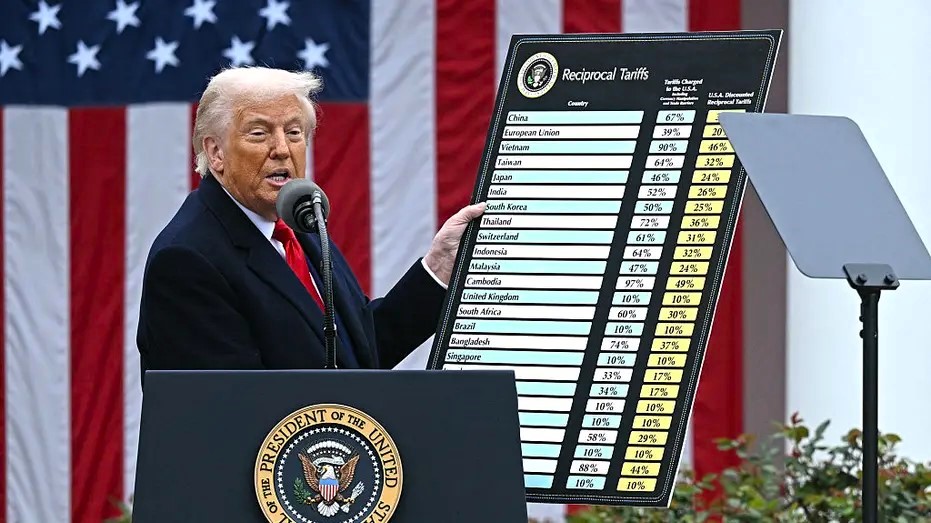
In the last week of April, when US President Donald J Trump claimed to have spoken to Chinese Premier Xi many times during the tug of trade war, the Media portrayed it as either a blatant misrepresentation or a result of confusion.
At that moment, U.S. Treasury Secretary Scott Bessent has rightfully downplayed these assertions, pointing out that the White House does indeed have options for tariff off-ramps. Such obfuscation will likely alienate Beijing, which has explicitly denied any on-going discussions. Nonetheless, China is proactively pursuing diplomatic avenues, including a recent delegation visit to Washington and discreet communications with U.S. think tanks for insights into the dynamics within Trump’s administration. Chinese state media emphasize unwavering resilience and a commitment to existing trade rules, with commentary invoking Mao Zedong to contextualize the on-going trade conflict.
On May 12th, the United States and China agreed to drastically roll back tariffs on each other’s goods for an initial 90-day period, which is a surprise breakthrough that has de-escalated a punishing trade war and buoyed global markets.